
Field Notes · Pre-Purchase
New car quality problems are shaping the used market you are shopping
Buyers often assume a newer vehicle is a safer bet. That assumption made more sense when a car was mostly mechanical. Today a mainstream vehicle carries dozens of control modules, a large touchscreen running most of the cabin functions, and driver assistance systems tied to cameras and radar. Those systems are exactly where owners report the most trouble, and every one of those vehicles eventually lands on the used market.
What the data actually says
The JD Power 2025 U.S. Initial Quality Study, based on responses from 92,694 owners of new 2025 model-year vehicles surveyed after 90 days, put the industry at 192 problems per 100 vehicles. Infotainment remained the single most problematic category at 42.6 problems per 100 vehicles, and half of the top problems industry-wide were infotainment issues. (JD Power, 2025 U.S. Initial Quality Study)
Two other findings from that study matter to used buyers. Newly launched models averaged 203 problems per 100 vehicles, the highest for new launches since the study was redesigned in 2020. And plug-in hybrids averaged more problems (237) than battery electric vehicles (212), gasoline vehicles (184), or conventional hybrids (196). In other words, the newest technology and the newest model years are not automatically the cleanest bets.
Recalls are the other half of the picture. Open safety recalls follow a vehicle through every resale, and they are free to check by VIN at NHTSA. An unrepaired recall on a three-year-old used car is common, and it is something a seller may not mention simply because they never checked.
Today's new-car complaints are tomorrow's used-car listings
Owners who report a glitchy screen, a driver assistance warning that will not clear, or a climate control that behaves oddly in the first 90 days often live with it. Some of those issues get fixed under warranty. Some get a software update. Some never get addressed at all, and the vehicle is traded or sold before the factory coverage ends.
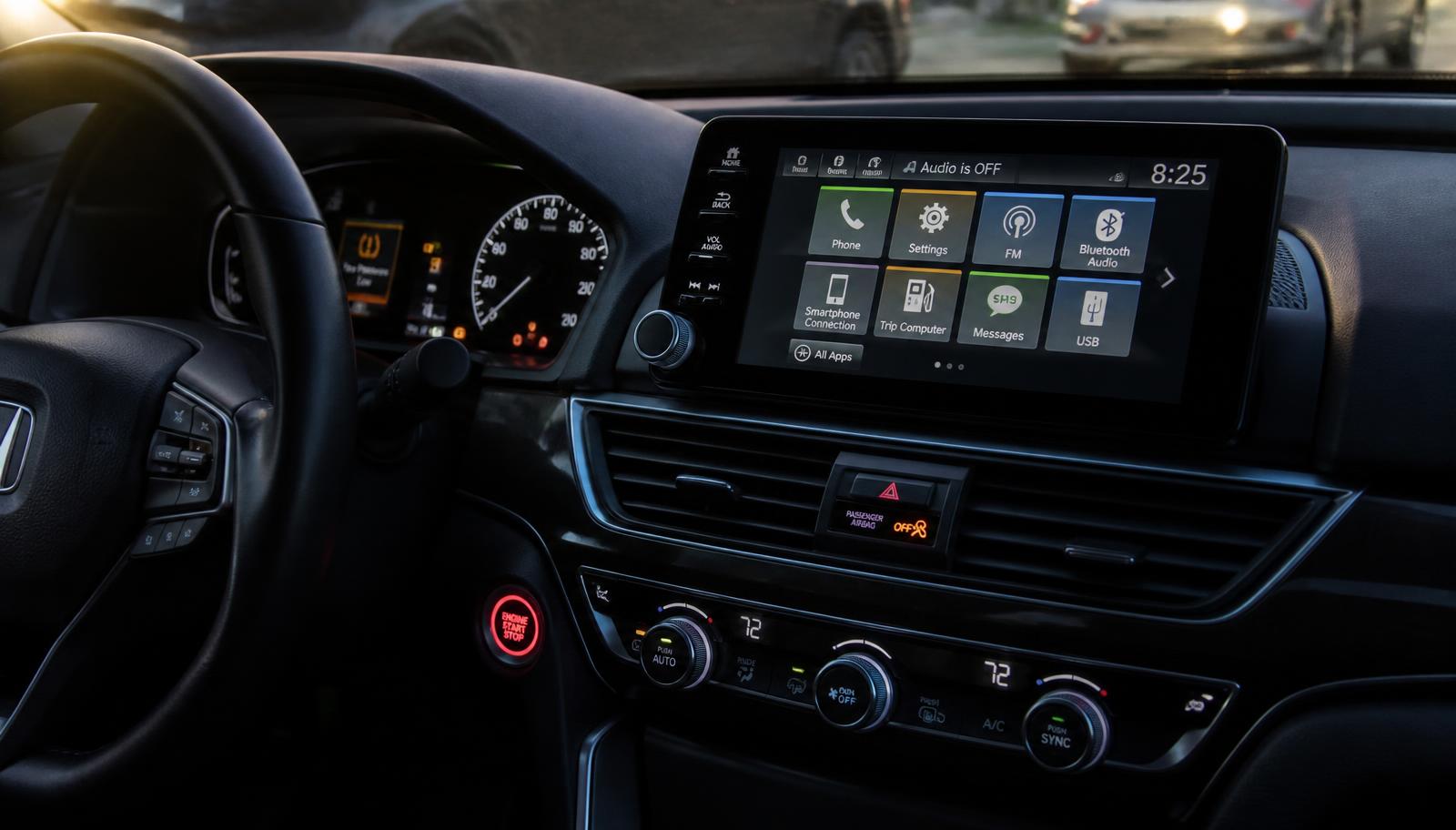
That is the vehicle you are looking at on a used lot right now. It may drive well on a short test loop and still have stored fault codes, a camera that is not calibrated after a bumper repair, an inoperative heated seat, or a backup camera that drops out intermittently. None of that is visible in a photo listing and none of it shows up in a clean history report.
Why the usual checks miss electronic problems
A history report tells you about reported accidents, title status, and recorded ownership. It does not tell you the condition of the vehicle in front of you. A dealer multi-point check is performed by the party selling the car, and it is built around getting the vehicle to the lot, not around answering a buyer's questions. Neither is a substitute for a technician spending time with the vehicle and documenting what is actually happening.
What an independent inspection covers on a late-model vehicle
Precision Vehicle Services performs a non-invasive mobile evaluation at the vehicle's location. We do not lift or jack the vehicle, remove wheels or panels, or disassemble components. Road tests occur only when they are safe, legal, insured, and authorized by the owner or seller. Within that scope, an inspection of a modern used vehicle typically documents:
- Scan results and stored or pending fault codes across the modules the vehicle reports, including codes that are not currently lighting a dash warning
- Function checks of the infotainment system, cameras, exterior lighting, power windows, locks, and other cabin electronics
- Driver assistance warnings and indicators observed during the appointment, including signs of prior repair near cameras and sensors
- HVAC performance with measured vent temperatures across heat, air conditioning, and mode settings
- Corner-by-corner tire and visible brake condition with measurements where they can be taken safely
- Fluid condition, visible leaks, and physical evidence of prior collision or panel repair
Everything is photographed and written into a report with prioritized findings and clearly stated limitations. If you want to see the format before you commit to anything, our sample report is a real inspection with the customer details removed.
What to do before you hand over money
A short, practical sequence covers most of the risk on a modern used vehicle:
- Run the VIN through the free NHTSA recall lookup and ask the seller about anything open
- Ask whether the vehicle still has factory or extended coverage, and what transfers to you
- Sit in the vehicle and work every screen menu, camera, seat function, and climate mode yourself
- Ask for any repair records, especially body work near cameras, radar, or parking sensors
- Book an independent inspection before the deposit, not after
The used market is not worse, it is different
None of this argues against buying used. Plenty of late-model vehicles are excellent purchases, and a well-kept used car is often the better value. The point is narrower: the things most likely to frustrate a modern owner are electronic and software related, and those are the things a quick look in a parking lot cannot evaluate. An inspection describes what was observed on the inspection date. It does not promise a particular outcome and no inspection can guarantee future reliability, but it does replace guessing with documentation.
Next steps
See what a pre-purchase inspection covers, look at an example report, or schedule an appointment in Northern Kentucky, Greater Cincinnati, and Southeast Indiana.